Land Rover 109 Station: The Squared Legend That Conquered Dakar 2026
Land Rover 109 Station: The Squared Legend That Conquered Dakar 2026
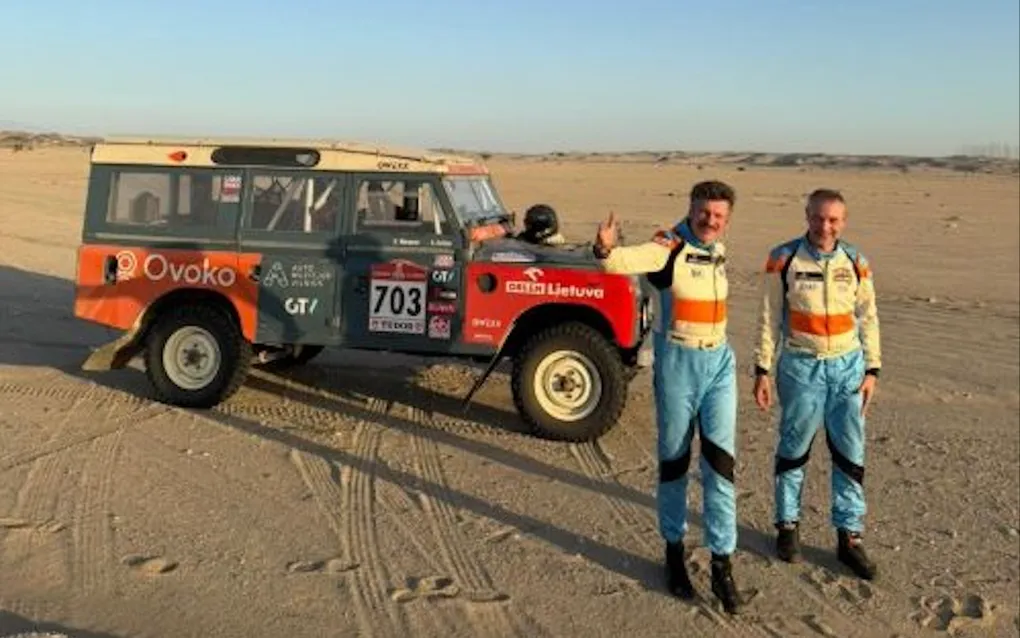
In a world where modern off-road vehicles often look like futuristic spaceships loaded with electronics, the victory at the 2026 Dakar Rally in the Classic category reminded us all that there’s no substitute for character, mechanical simplicity, and British stubbornness. The undisputed star of the race wasn’t a fast Porsche or upgraded Mitsubishi, but a Land Rover 109 Station Wagon - a vehicle that looks like it just stepped out of a 1960s adventure film.
Lithuanian driver Karolis Raisys and navigator Christophe Marques from OVOKO Racing took this British “brick” to first place overall in the Dakar Classic. But what makes the 109 Station so special, and how did a vehicle described by its driver as “slow and heavy” manage to win the toughest race in the world?
Meet the Machine: Series III 109 Station Wagon
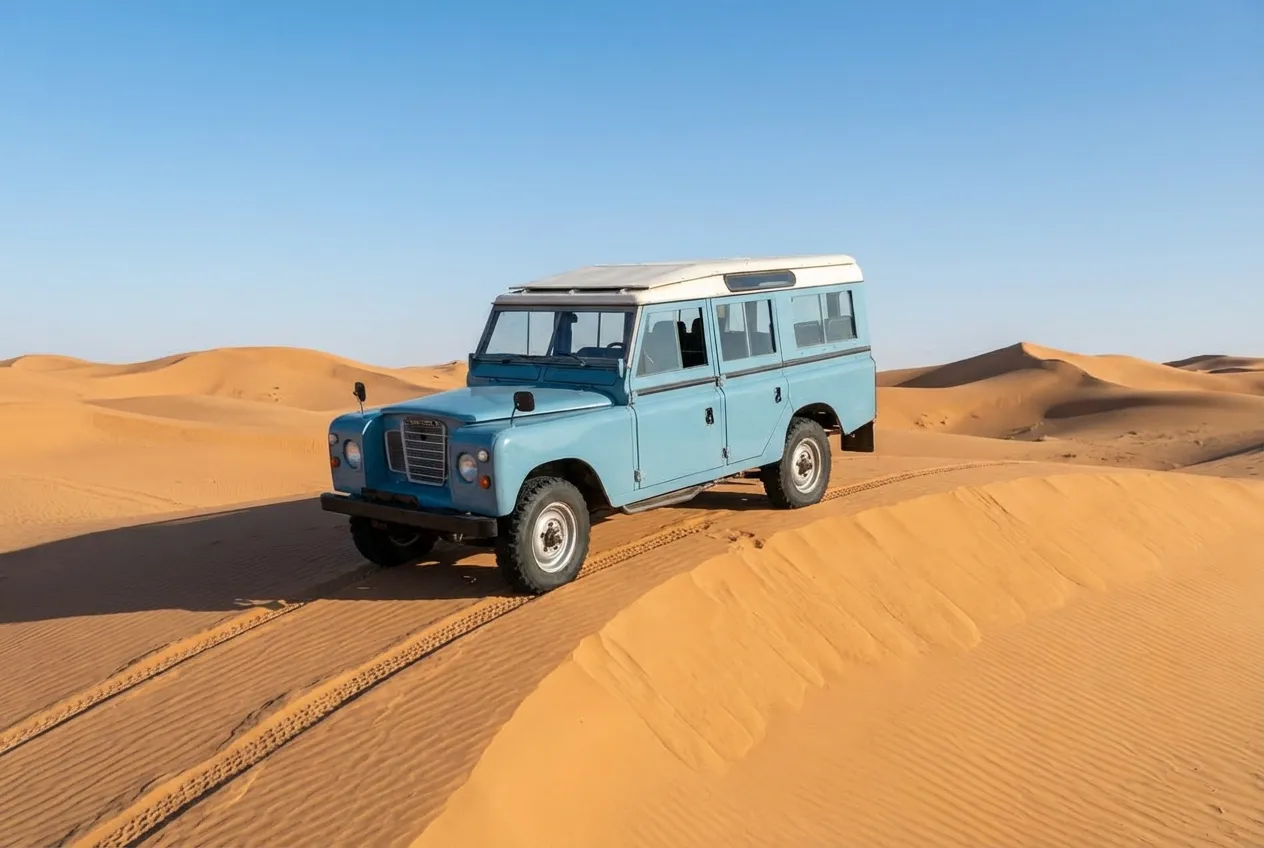
The Land Rover 109 is part of Land Rover’s legendary “Series” family. The number “109” refers to the wheelbase length (in inches), making it the long wheelbase (LWB) version compared to the short 88. The Station Wagon version was first introduced in the 1950s, but the model that won at Dakar is based on Series 3, produced between 1971 and 1985.
Design: Function Over Form The first thing that stands out about the 109 is the squared aluminum body (Birmabright alloy). The choice of aluminum originally stemmed from post-World War II steel shortages, but it gave the vehicles exceptional resistance to rust and relatively low weight for their size. The chassis is box-section ladder frame, incredibly strong and designed to survive abuse in tough terrain.
The Safari Roof (Tropical Roof) One of the most iconic features of the Station Wagon, also present on the Dakar-winning vehicle, is the “Tropical Roof.” This is a double-walled roof with a gap between them allowing air flow. While the sun heats the upper layer, the air in between insulates the passenger compartment from the heat. Additionally, the roof is equipped with vents that flow air into the passenger compartment while driving - the “air conditioning” of yesteryear. The design often also includes “Alpine Windows” - narrow, curved windows in the roof allowing additional light for rear passengers.
Capacity and Practicality Unlike cramped off-roaders, the 109 was designed to be an efficient people carrier. Historically, Station Wagon models could hold up to 10 and even 12 passengers (in a configuration with benches along the rear), allowing them to enjoy bus tax benefits in Britain.
The Winner’s Specs: What Was Under the Hood?
While the original models usually came with 2.25-liter petrol or diesel engines producing about 70 modest hp, Raisys’ vehicle at Dakar 2026 was a different beast. According to race data, the vehicle was equipped with a 3.5-liter V8 engine. The V8 engine (which originally appeared in later “Stage 1” models of Series 3) gave the vehicle about 130 hp. This may not sound like much in modern terms for a vehicle weighing 2,000 kg, but in a rally where reliability and consistency (Regularity) are more important than top speed, the V8’s torque and mechanical simplicity were game-changers.
How Do You Win with a “Barn Find Relic”?
The story of this vehicle is amazing: before Dakar 2025 (where it finished third), the vehicle was a “barn-find” that barely drove. The team restored it during one intensive month and turned it into a race vehicle. For Dakar 2026, Raisys didn’t make radical changes. He kept the vehicle “slow and heavy, exactly as it should be,” but focused on technical improvements and reliability. The winning recipe was simple: a vehicle that can be fixed in the field with a hammer and screwdriver, a robust 4X4 system, and precise driving that didn’t break the vehicle in the harsh Saudi Arabian dunes.
In Summary The victory of the Land Rover 109 Station Wagon at Dakar 2026 is a triumph of spirit over technology. It proves that a vehicle designed 70 years ago, with a ladder chassis, double roof for ventilation, and shoebox design, can still dominate in the toughest conditions in the world. This British legend refuses to die, and it does so in style that money can’t buy.